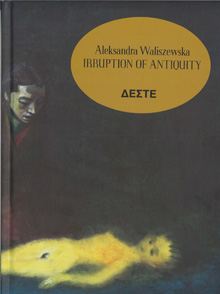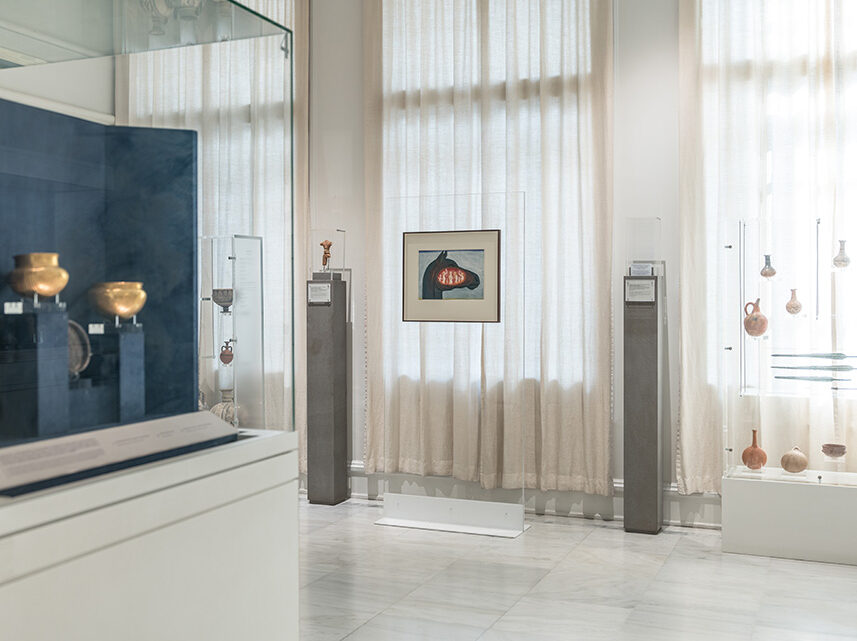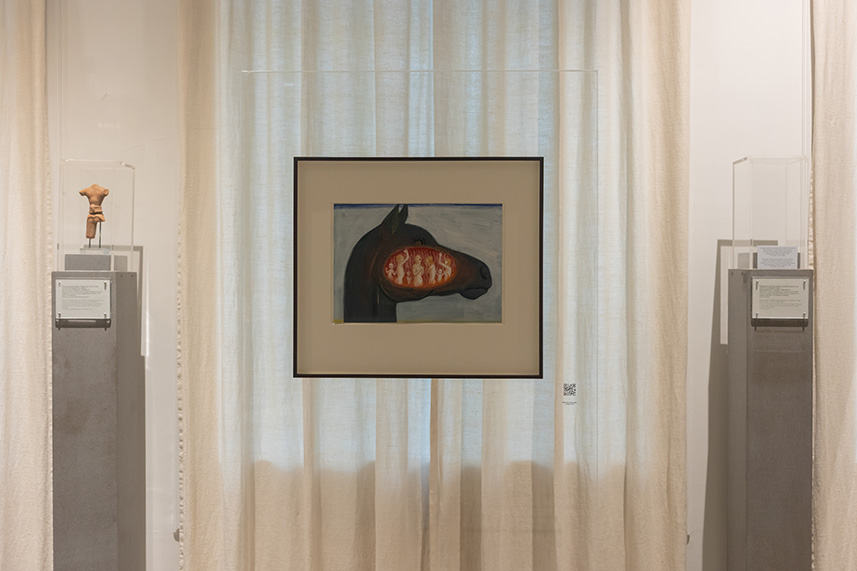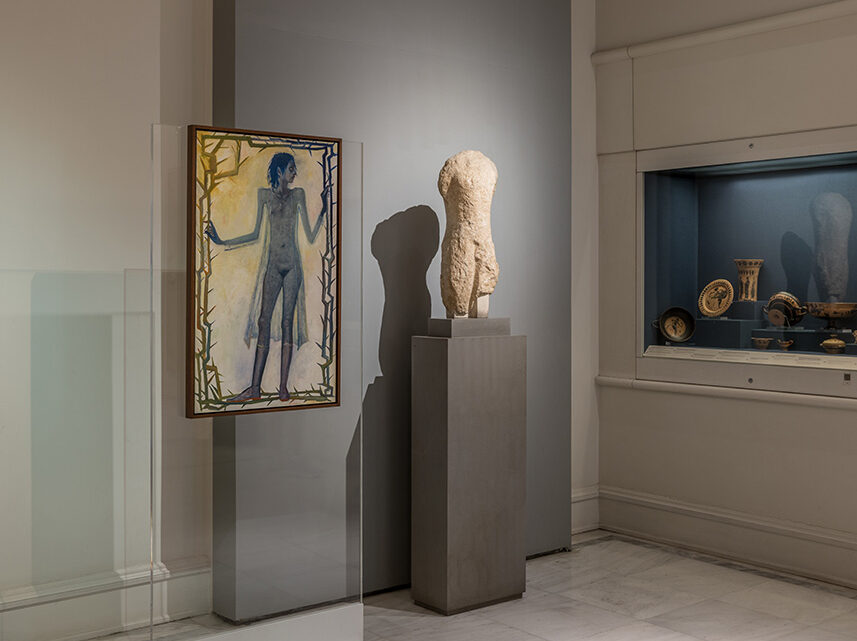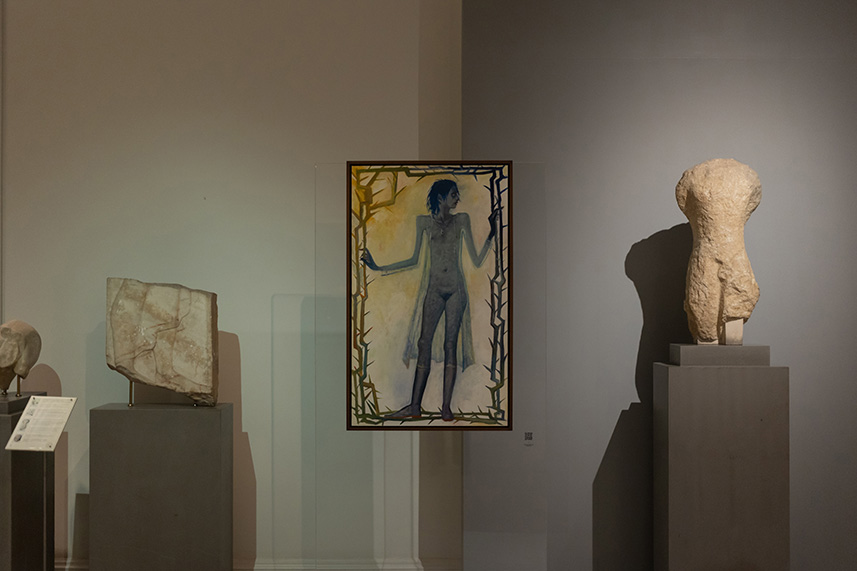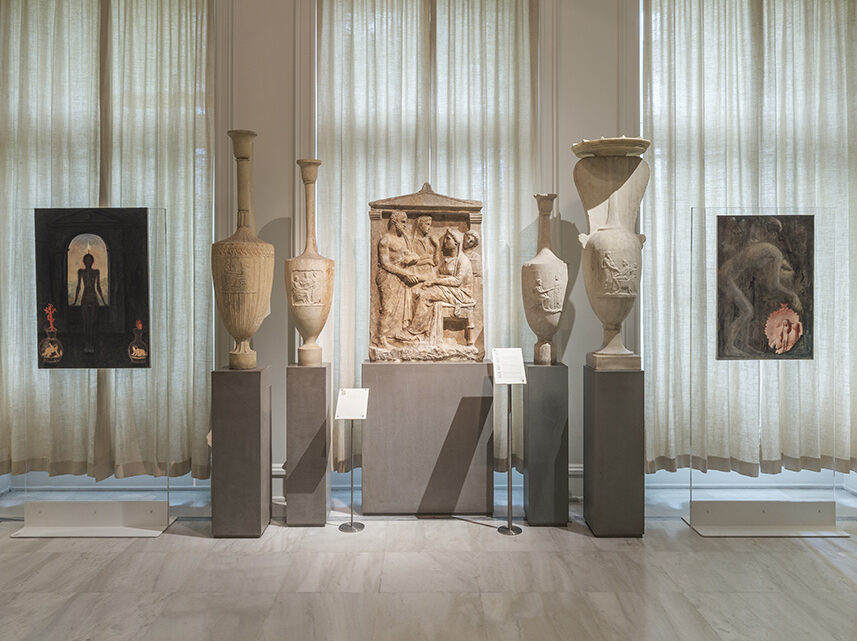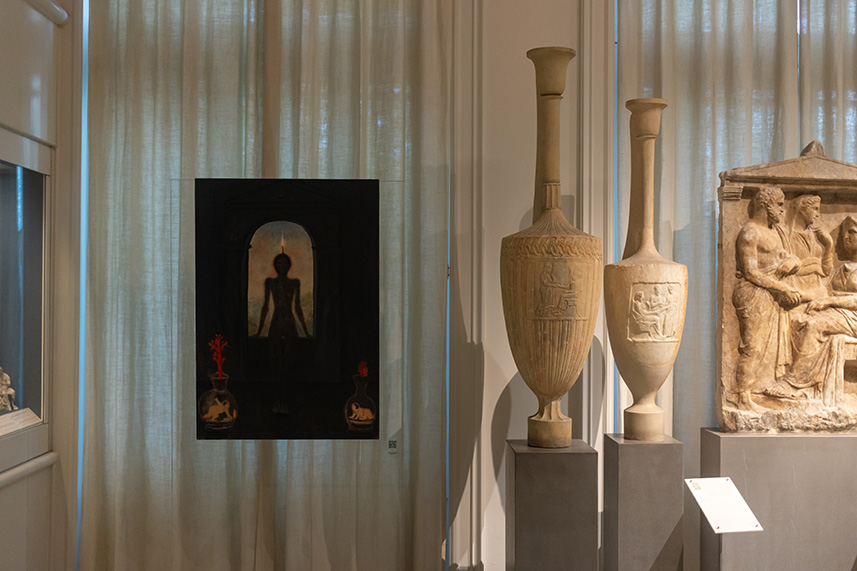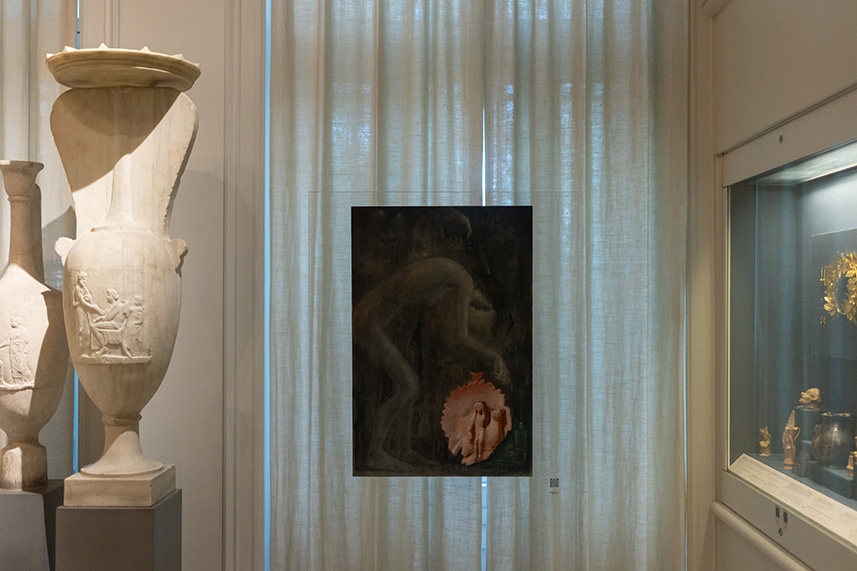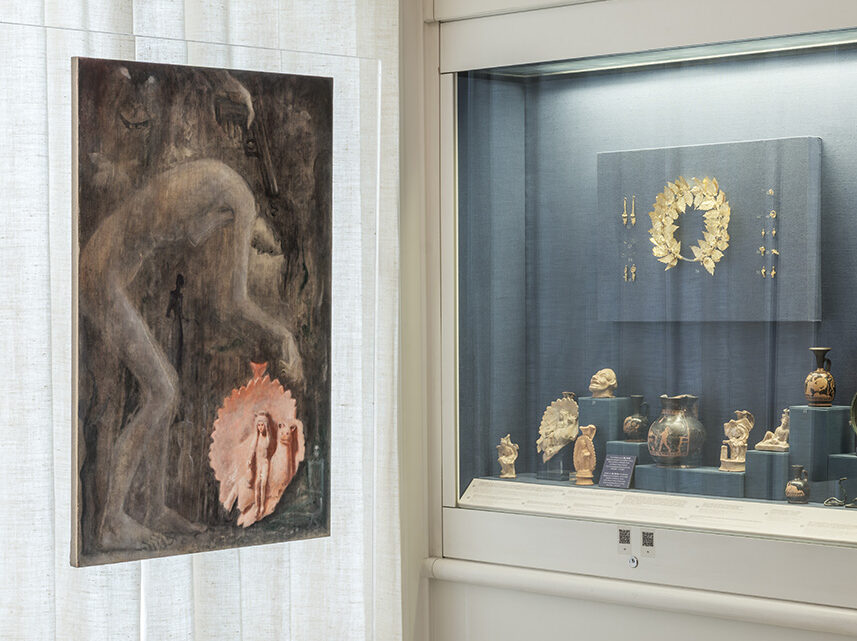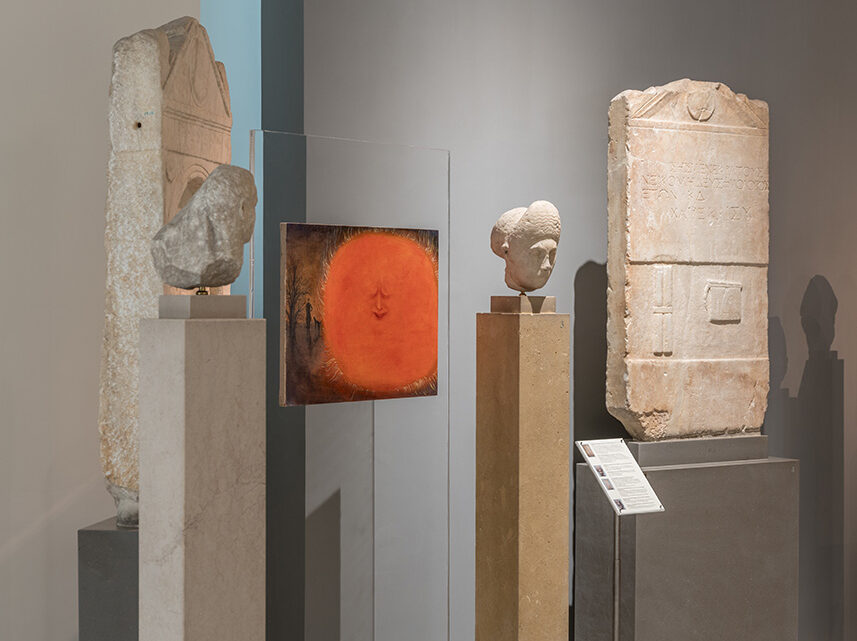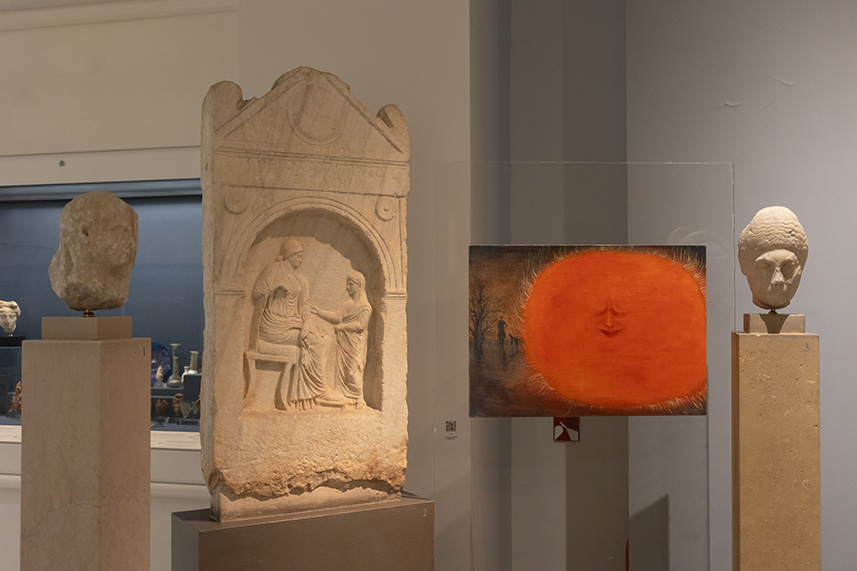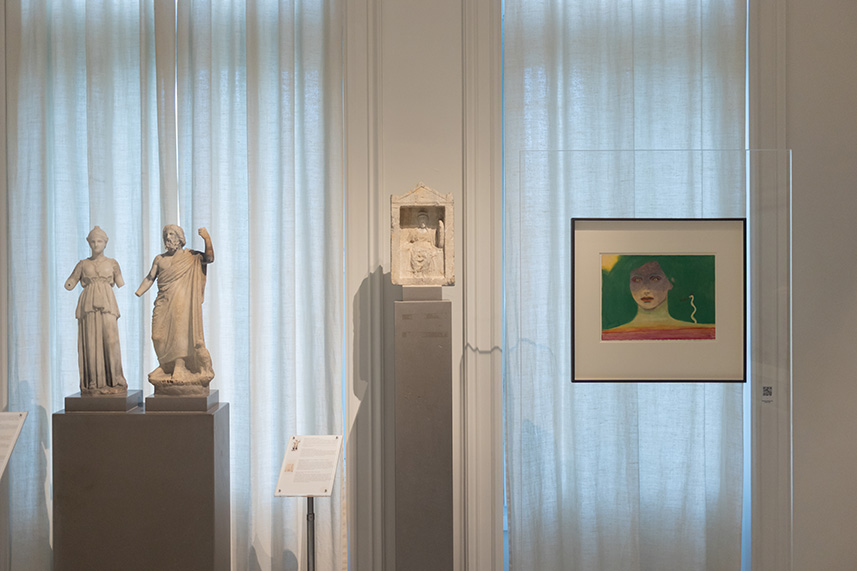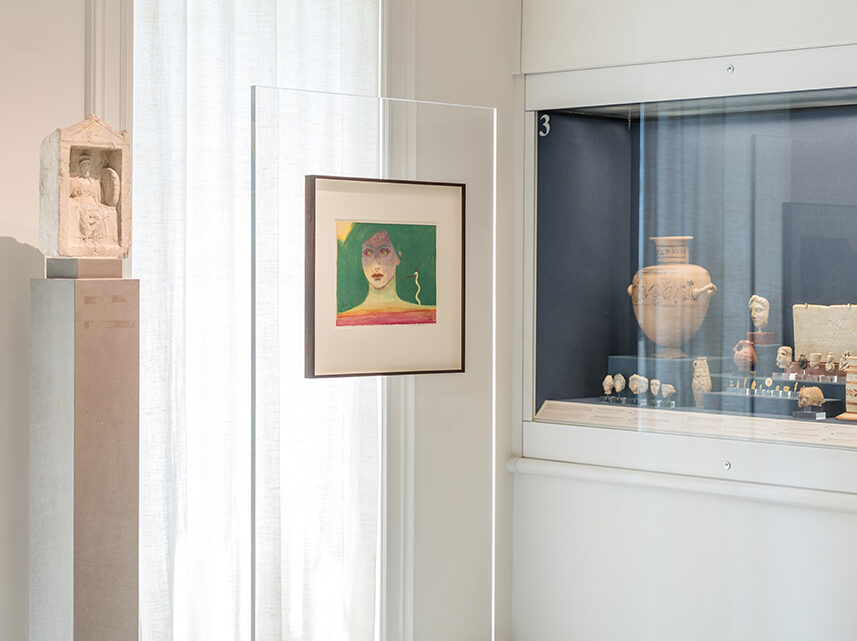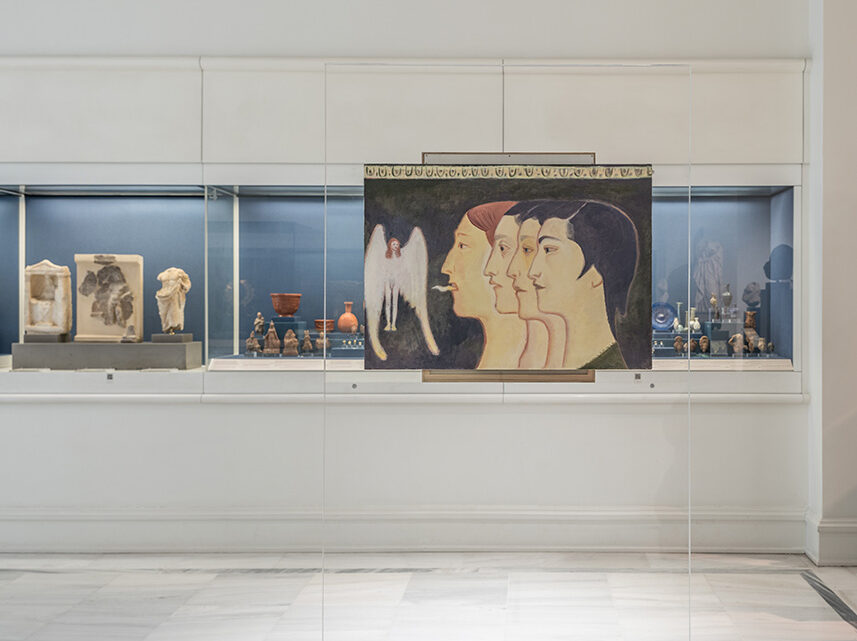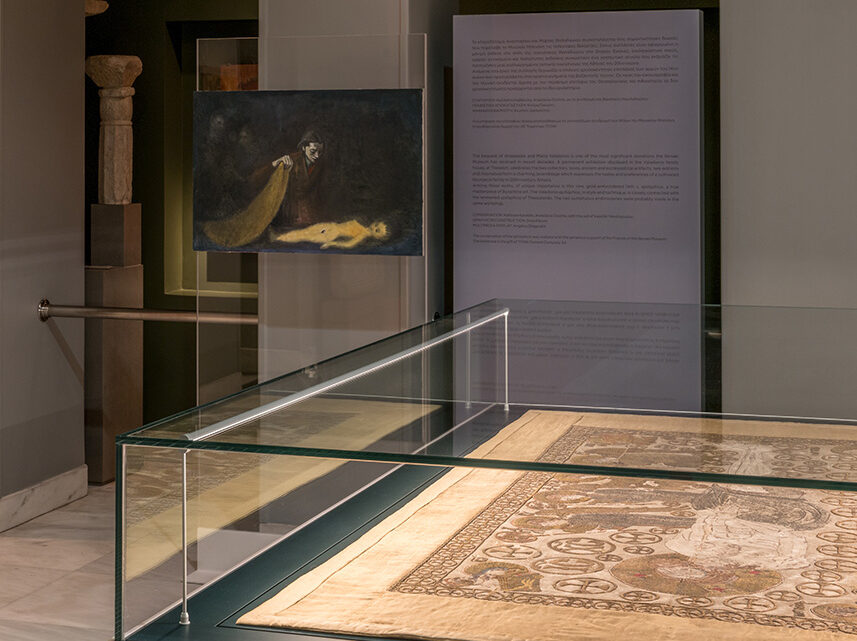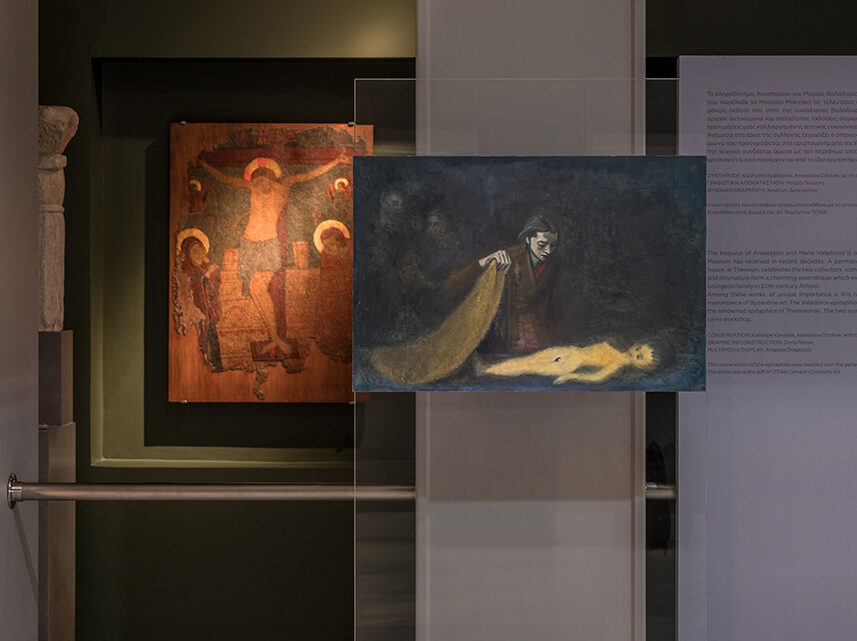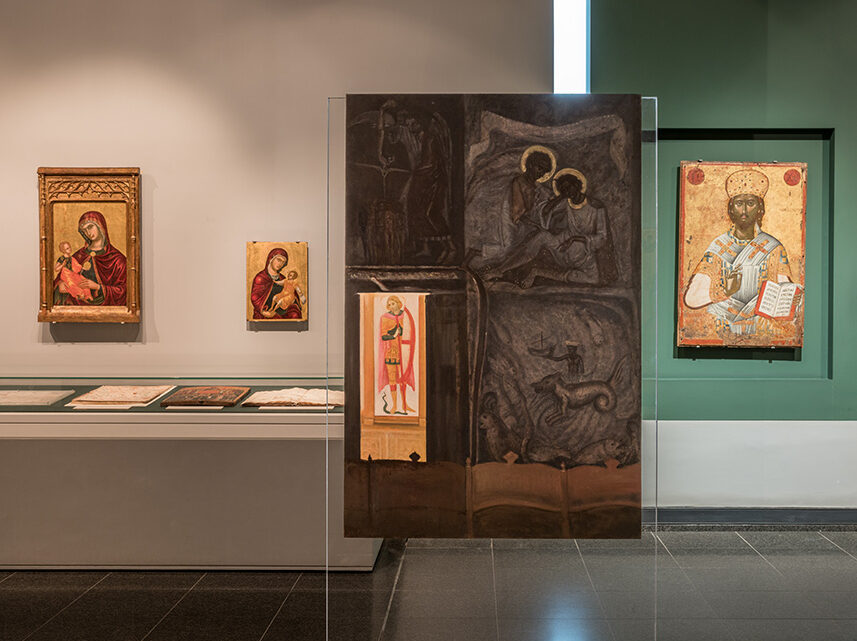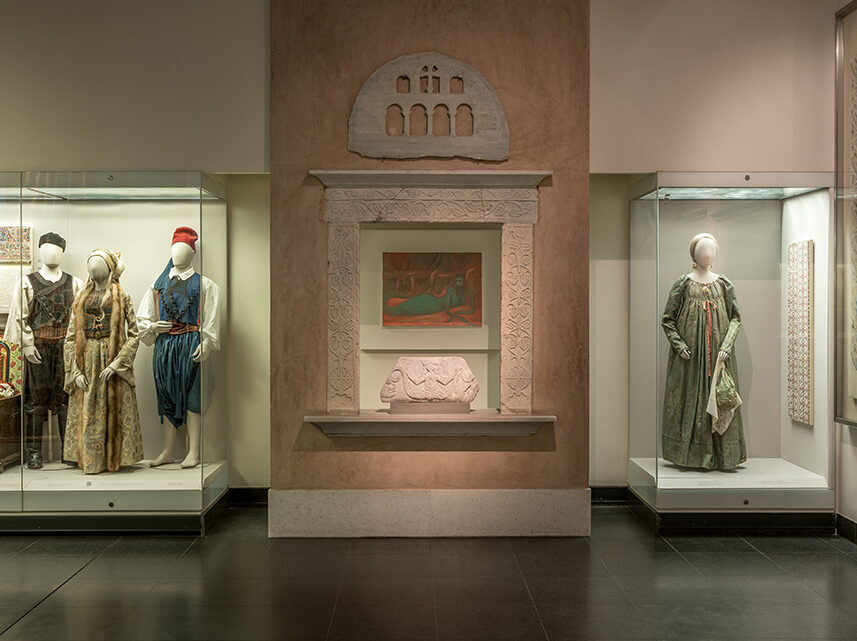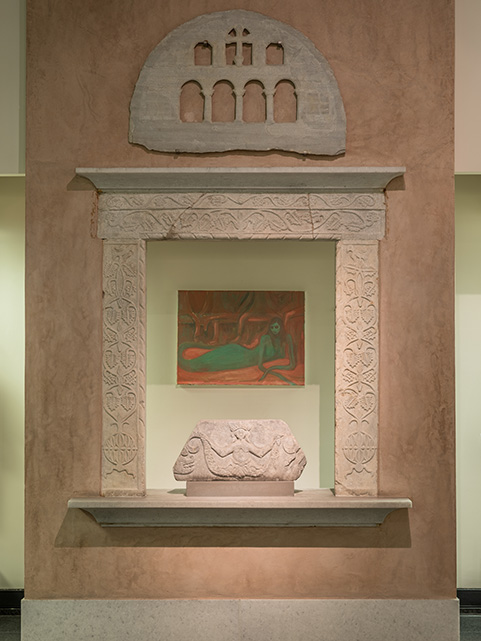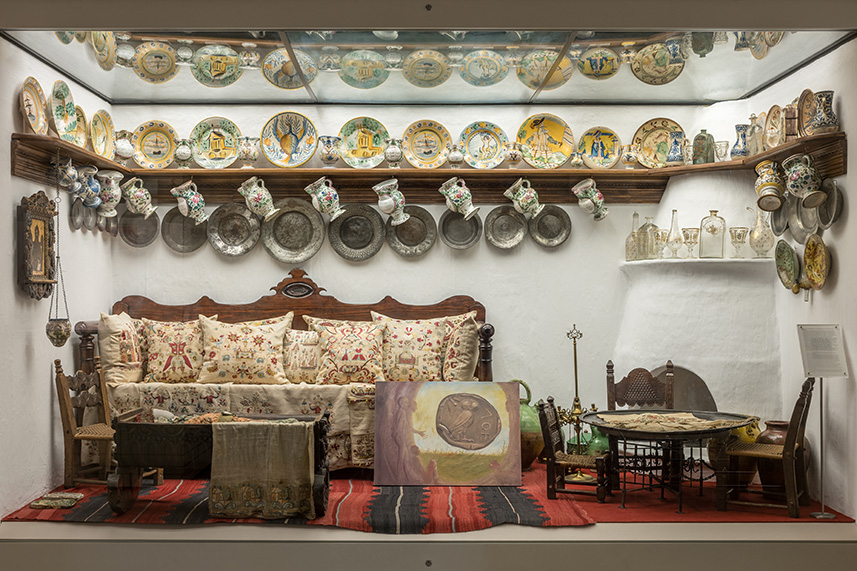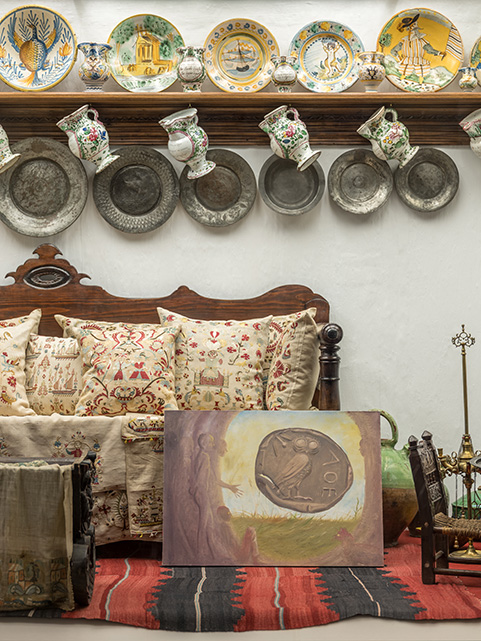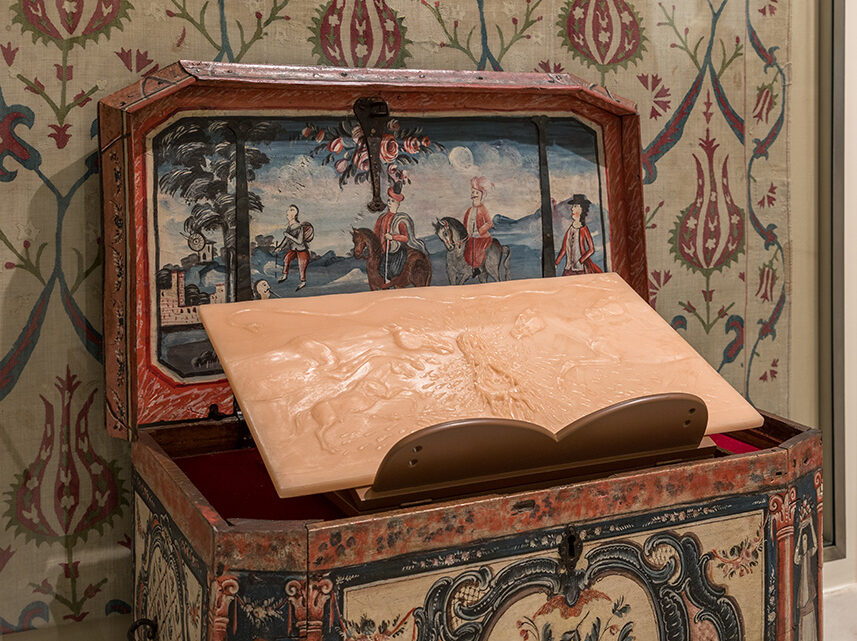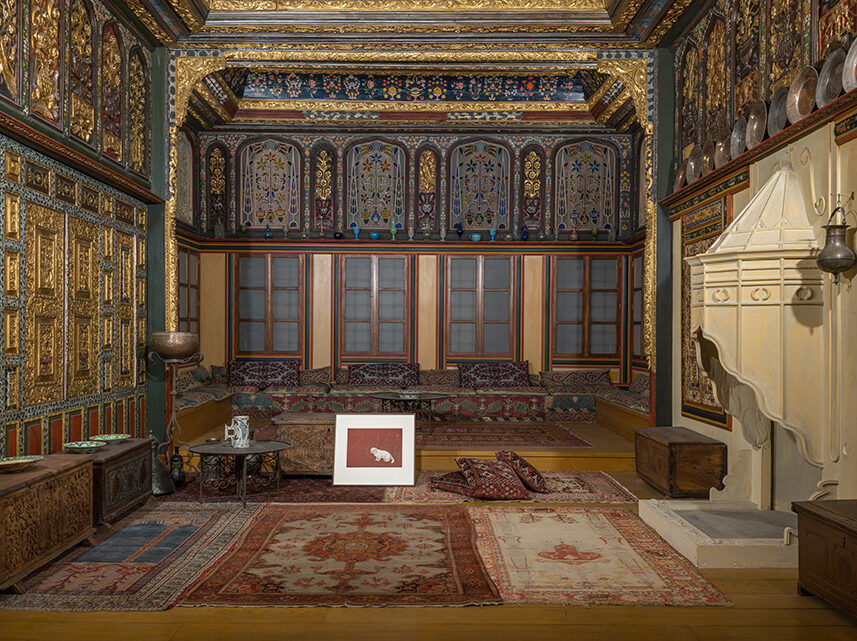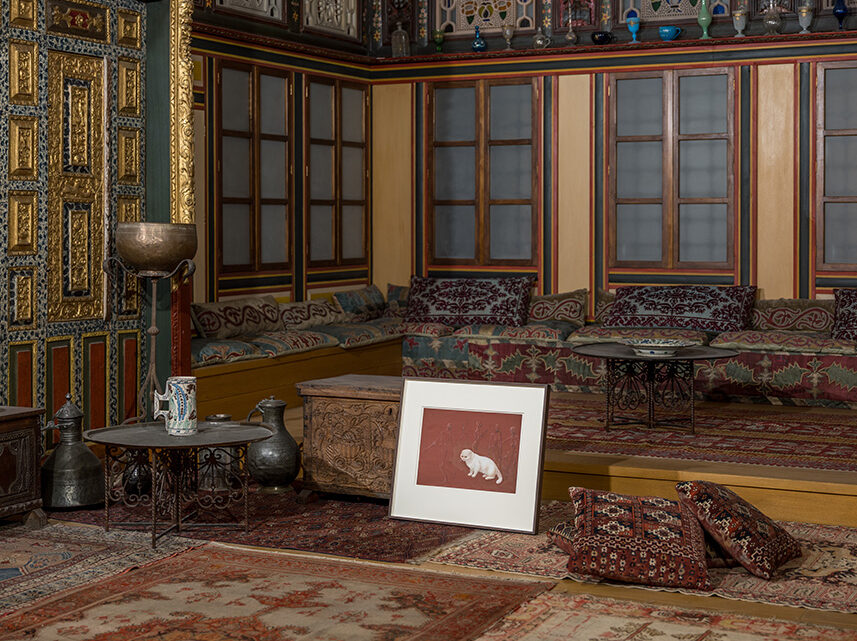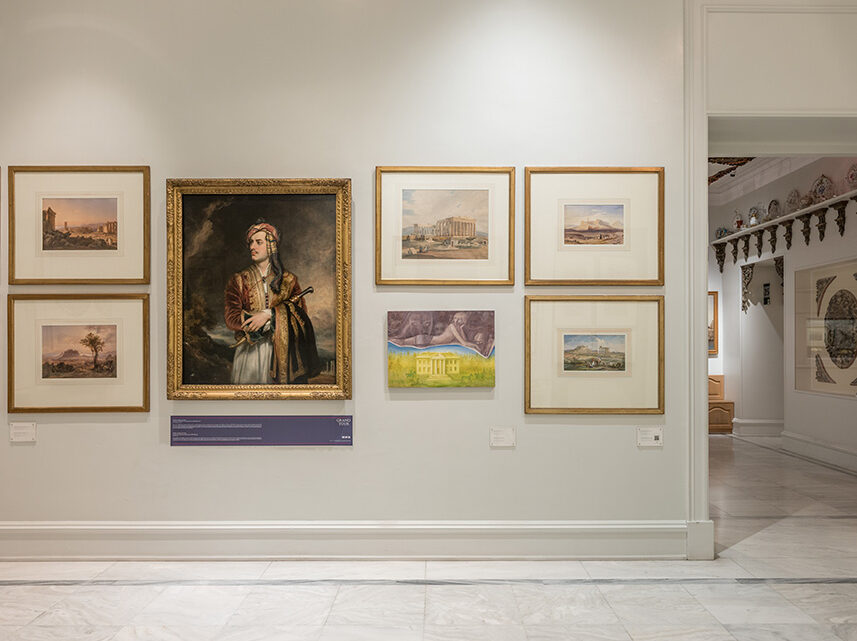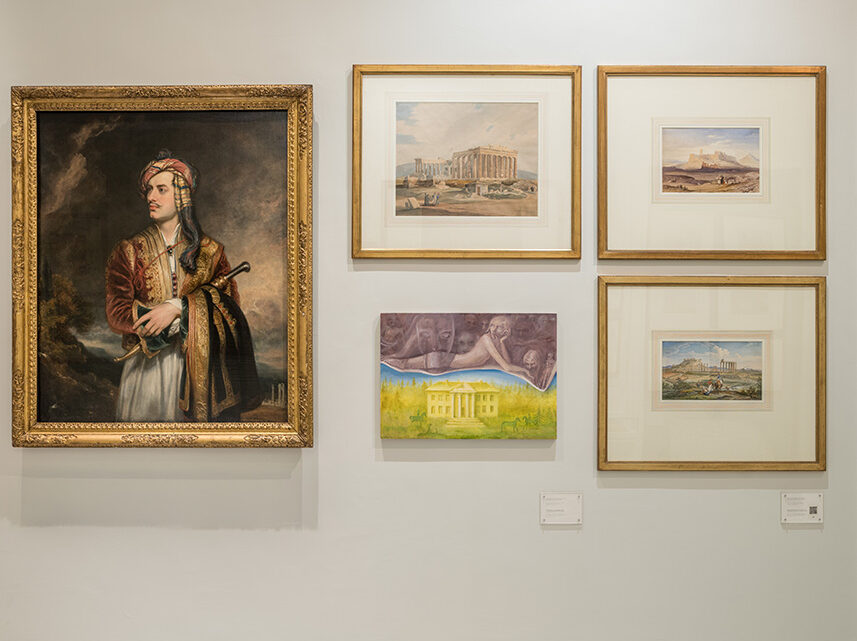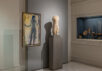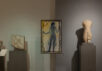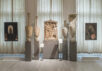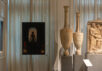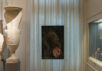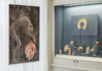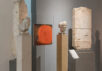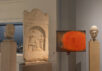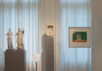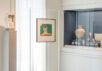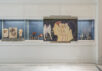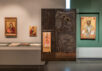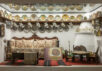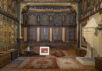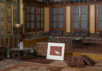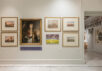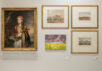
Unfolding across two floors of the Benaki Museum of Greek Culture, the exhibition features sixteen paintings by Polish artist Aleksandra Waliszewska. The works are placed in charged iconographic tension with objects spanning Neolithic Greece, classical antiquity, the Byzantine world, and the modern Greek era. The exhibition pays homage to Greece as the birthplace of figurative, narrative art and as a foundation of Western visual culture—while also tracing its enduring presence in the visual imagination today. Waliszewska’s intense psychological tableaux manifest moments of “irruption”: the sudden, forceful entry of ancient visual tropes into the present.
One of art history’s most tantalizing unfinished projects, and Aby Warburg’s magnum opus, the Mnemosyne Atlas was begun in 1928 and remained incomplete upon Warburg’s untimely death in 1929. Named for the Greek goddess of memory, Mnemosyne was conceived as a pictorial atlas. Warburg organized it into twelve thematic chapters to trace the Renaissance’s roots in the classical cultures of Greece and Rome. Through a vast iconographic analysis—ultimately comprising more than a thousand images—Warburg aspired to create a map of collective cultural memory without words.
Mirroring the art historical models Warburg imagined, Waliszewska’s paintings testify to the longue durée of Greek culture in the present. Ancient gods, myths, symbols, and religious figures surface within her haunting pictorial universe not as remnants of a distant past, but as unstable, often disturbing forces that continue to shape contemporary visual consciousness. In this sense, Irruption of Antiquity proposes antiquity not as heritage, but as pressure: a reservoir of images and affects that persist, re-emerge, and refuse to remain historically contained.
“Irruption of Antiquity” is among Warburg’s most intriguing chapters and serves as an apt title for a transhistorical exhibition that brings together the Benaki Museum’s rich, heterogeneous collections and the pictorial universe of Aleksandra Waliszewska.
About the artist
Aleksandra Waliszewska (b. 1976, Warsaw, Poland) is known for her dark, atmospheric paintings that are steeped in art historical erudition. In fact, Waliszewska, a graduate of the Academy of Fine Arts in Warsaw, considers herself a contemporary heir to the Symbolist movement of the turn of the last century. The entwinement of sex and death looms large in her dense visual narratives. Empowered female protagonists dominate her paintings, frequently depicting apocalyptic scenes populated by animals, imaginary creatures, zombies, hybrid monsters, and the living dead. Often allegorical in nature, her paintings probe the human condition as they grapple with primordial feelings of fear, anxiety, desire, and death. Coded references to the industrial landscapes of Poland, its primeval forests and swamps, as well as to specific national mythologies permeate her oeuvre and ground her work in Polish visual culture. Her sly reworkings draw from a rich personal canon of European art—from the primitive Flemish master Petrus Christus to Georges de La Tour to Młoda Polska (Young Poland) painters, from the Belgian Symbolist Léon Spilliaert to Leonor Fini—to name but a few of her recurrent citations.
Born and raised in Warsaw, Waliszewska hails from a matriarchal lineage of female artists. Four generations of women in her family were practicing artists, including her grandmother, Anna Dębska, an accomplished postwar sculptor known for her animal imagery. With this unique background, Waliszewska has built her practice on this rich and unusual heritage of imagistic storytelling. Waliszewska lives and works in Warsaw, Poland.
________________________________________________________________________________
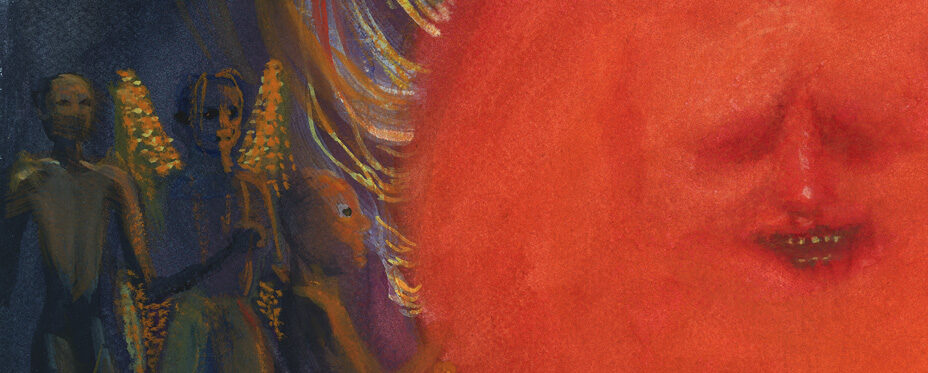
Featured image: Aleksandra Waliszewska, Untitled, 2025 (detail) | © the artist